

The Illusion of Easy Wins
When individuals walk into a casino, they often envision quick wins and immediate rewards. This perception, however, can be misleading as many players underestimate the odds stacked against them. Casinos are designed to lure guests with the promise of jackpots, but the house always has a statistical advantage. For those seeking better experiences, a secure online casino with fast withdrawal options can provide a different perspective, allowing gamblers to manage their play more effectively, and avoid getting caught in a cycle of chasing losses, which leads them to gamble more than they initially intended.
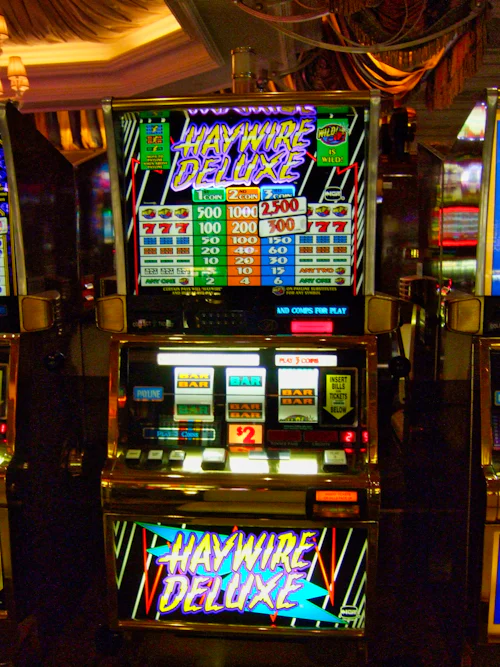
The excitement of the gaming floor can create a false sense of security. Players often think they can outsmart the odds or that a big win is just around the corner. This mindset can lead to reckless betting behavior, where individuals wager beyond their means. Unbeknownst to them, these decisions can not only deplete their bank accounts but also result in significant emotional distress as they grapple with their financial situation.
Furthermore, the allure of promotions and bonuses can cloud judgment. Many casinos offer incentives that seem appealing on the surface, like match bonuses or free spins. However, these often come with hidden terms and conditions that require players to wager substantial amounts before they can withdraw any winnings. By misinterpreting these offers, gamblers can find themselves entangled in a web of costs that outweigh any potential benefit.
Emotional and Psychological Costs
Gambling in casinos isn’t just a monetary endeavor; it comes with significant emotional and psychological costs that are frequently overlooked. As players invest more time and money into gambling, they may experience heightened stress, anxiety, and even depression. The thrill of winning can be fleeting, while the pain of losing accumulates, creating a turbulent emotional rollercoaster. This emotional strain can affect relationships, work performance, and overall mental well-being.
The social aspect of gambling can also lead individuals to make poor decisions under peer pressure. Friends or acquaintances may encourage risky behavior, and the desire to fit in or impress can motivate players to gamble more than they can afford. This social dynamic can accelerate losses and magnify the emotional fallout, as individuals wrestle with feelings of guilt and shame after significant financial setbacks.
Additionally, the normalization of gambling in society can further mask its risks. Many see gambling as a form of entertainment rather than a financial gamble. This perception can lead to dangerous habits developing over time, as regular play becomes ingrained in one’s lifestyle. The pressure to keep up with peers or to participate in group outings can escalate spending, transforming what was once a fun night out into a source of long-term financial and emotional turmoil.
The Financial Burden of Gambling
While the immediate costs of gambling are evident, such as losses on bets, the long-term financial implications are often more insidious. Many players find themselves sinking money into not only gaming but also into ancillary expenses associated with gambling. This might include transportation to and from the casino, accommodations for extended stays, and meals at casino restaurants, all of which add up quickly. These costs can turn an evening of entertainment into a substantial financial burden.
Additionally, as debts accumulate, some players may turn to high-interest loans or credit cards to finance their gambling habits. This behavior can create a cycle of debt that is incredibly challenging to break. As interest rates mount on unpaid balances, what begins as a quest for fun can lead to financial ruin. The ripple effect can lead to bankruptcy, loss of savings, and a drastically altered lifestyle, leaving individuals struggling to regain control of their finances.
Beyond personal finances, gambling can have broader economic implications on the community level. As gambling becomes a more entrenched activity, local economies can suffer from increased debt levels and decreased disposable income for residents. This can hinder community development and affect services like education or healthcare, raising concerns about the social responsibility of casinos in promoting healthy gambling practices.
Regulatory and Legal Costs
The gambling industry is heavily regulated in many regions, and for good reason. These regulations are designed to protect consumers while ensuring fair play. However, the oversight comes with its own set of costs. Casinos often pass on compliance expenses to players through increased fees and charges. This can include everything from higher minimum bets to annual membership fees, making the overall cost of gambling higher.
Furthermore, the legal landscape surrounding gambling is continually evolving. Some players may engage in activities that could be deemed illegal or unethical, leading to potential fines, legal actions, or even imprisonment. Engaging in gambling-related disputes can result in unexpected legal fees, further adding to the financial burden gamblers face. Understanding the laws and regulations is crucial, but many players are not thoroughly versed in these complexities.
Additionally, the increased focus on responsible gambling initiatives highlights another layer of costs. Casinos are now required to invest in educational programs, training staff, and implementing measures to help at-risk gamblers. While these initiatives are essential, the financial implications can trickle down to players, who may find themselves shouldering the costs through higher betting minimums or decreased service quality.
The Importance of Awareness and Responsible Gambling
Being aware of the hidden costs associated with gambling is essential for any player looking to engage responsibly. Understanding both the emotional and financial implications of gambling can help individuals make more informed decisions. Setting a strict budget and sticking to it is one way to mitigate potential losses. By creating limits on time and money spent, gamblers can protect themselves from the pitfalls of chasing losses or succumbing to peer pressure.
Education plays a vital role in promoting responsible gambling behaviors. Many casinos and organizations offer resources and training to help players recognize problem gambling signs and develop healthier habits. Engaging with these resources can foster a supportive community and help players take control of their gambling activities. Awareness of the potential risks involved can lead to more mindful gambling experiences, where enjoyment does not come at the cost of personal finances or mental health.
In conclusion, recognizing and addressing the hidden costs of gambling in casinos is crucial for ensuring a safe and enjoyable experience. By being informed and practicing responsible gambling, players can avoid the emotional and financial traps that often accompany casino play. The ultimate goal should be to enjoy the games as a form of entertainment, not as a source of stress or financial strain.
